Osteopathy

Osteopathy: Balance, Well-Being, and Prevention for the Whole Body

Discover how osteopathy can help you improve mobility and posture, reduce tension and pain, and restore balance and overall well-being. A personalized approach that considers body, mind, and emotions as a unified whole to promote health, prevention, and quality of life.

If you’d like to understand how osteopathy can support your balance and vitality, contact me to schedule a consultation. Every journey begins by listening to your body and your needs.

What is Osteopathy

Osteopathy is a comprehensive, scientifically validated, manual health approach that considers the individual as a whole—body, mind, and emotions.
Through targeted, non-invasive, and personalized techniques, osteopaths help the body regain its natural balance, stimulating self-healing processes and improving overall well-being.

The goal is not only to relieve pain, but to promote the proper functioning of all systems—musculoskeletal, nervous, circulatory, and lymphatic—so that the body can express its full potential.

Book your first visit

How does work?

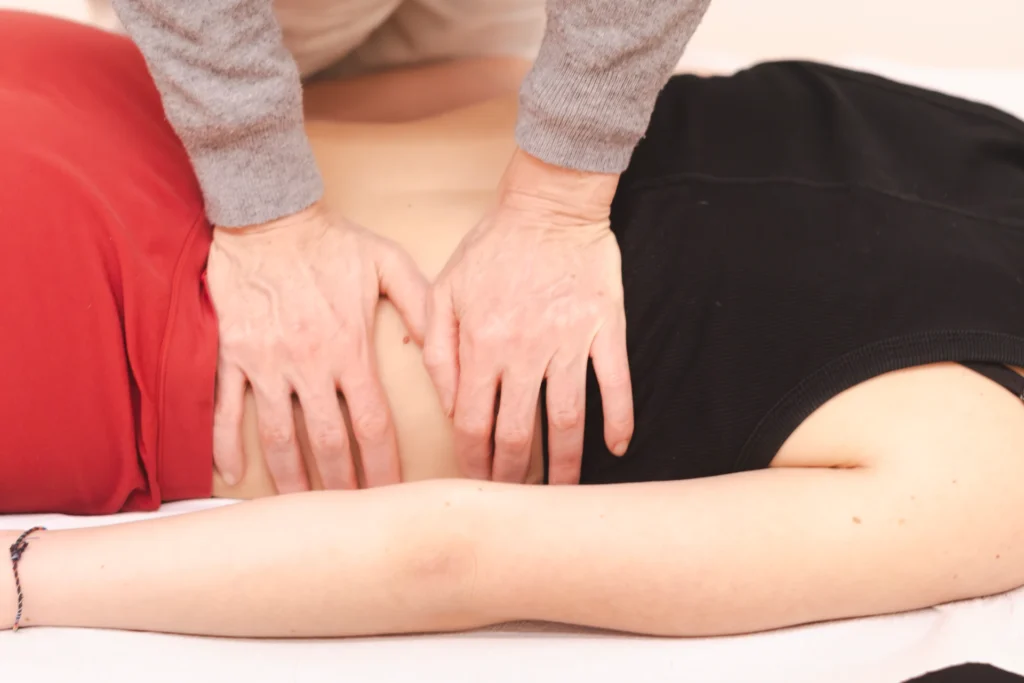
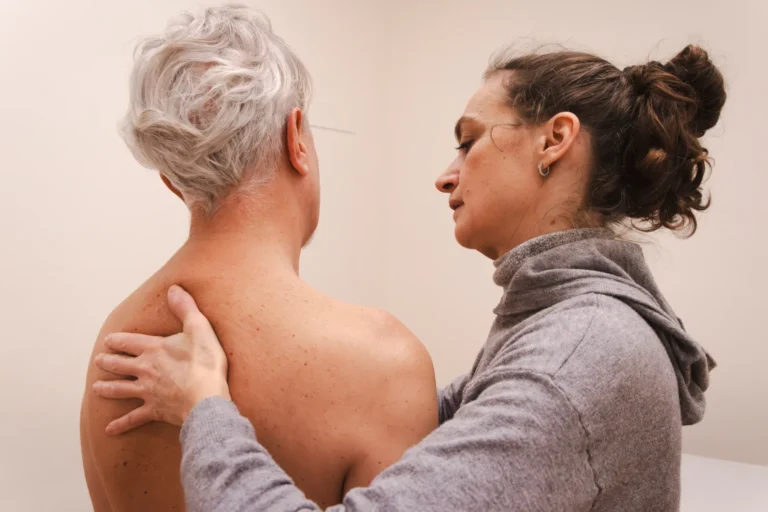
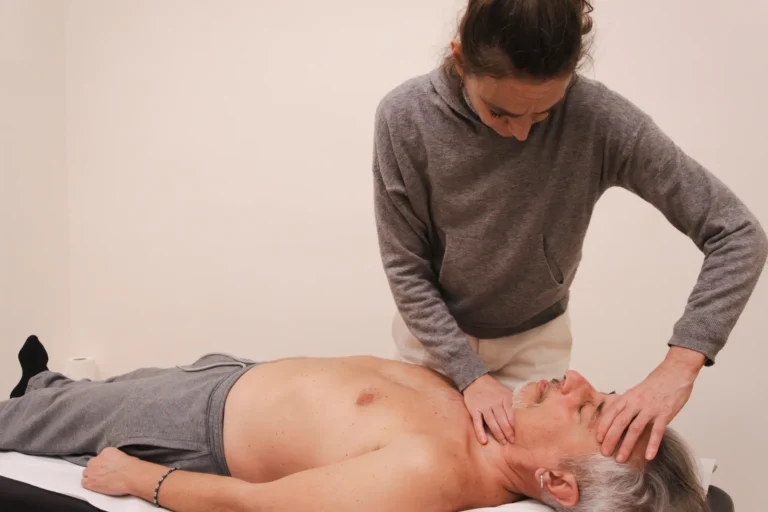
During the session, the osteopath applies specific manual forces to the tissues to improve mobility and promote proper functioning of the body. This stimulates natural mechanisms that regulate pain, relaxation, and physiological functions. Thanks to this approach, osteopathy also contributes to prevention, intervening early on in dysfunctions that could develop into chronic disorders or more complex pathologies.

Tissue mobility and venous and lymphatic drainage

The treatment improves tissue mobility and promotes proper drainage of body fluids, contributing to general well-being.

Autonomic nervous system and stress axis response

Osteopathy modulates the functions of the autonomic nervous system and the stress axis, helping to reduce tension and fatigue.

Reduction of inflammatory processes

Through targeted stimuli, the body reduces inflammation and associated markers, promoting natural tissue recovery.

Stimulation of hormones and endogenous substances

The session promotes the release of oxytocin and other substances that promote relaxation and analgesia, improving comfort and overall well-being.

When to contact an osteopath

Osteopathy is recommended for those who wish to improve their well-being or address problems such as:

  • Acute or chronic musculoskeletal pain
  • Headaches, imbalance, sleep disturbances
  • Digestive or gynecological problems
  • Post-trauma or post-surgical recovery
  • Support during pregnancy and postpartum
  • Injury prevention and support for athletes or dancers
  • Chronic stress or fatigue syndrome
  • Neurodegenerative diseases (improvement of mobility and quality of life)

Treatment is personalized and may include different approaches: structural, craniosacral, visceral, and functional.

Book your first visit

Main osteopathic approaches

Structural

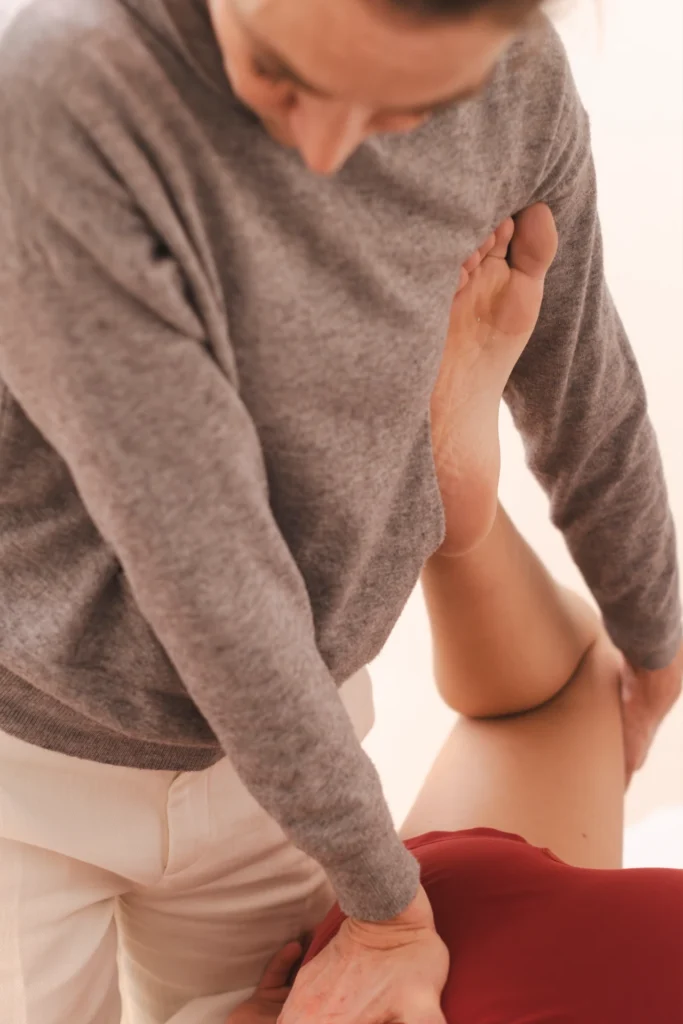
Direct interventions on joints and muscles to restore balance, mobility, and functionality. Recommended for conditions such as low back pain, back pain, herniated discs, and postural disorders.

Craniosacral

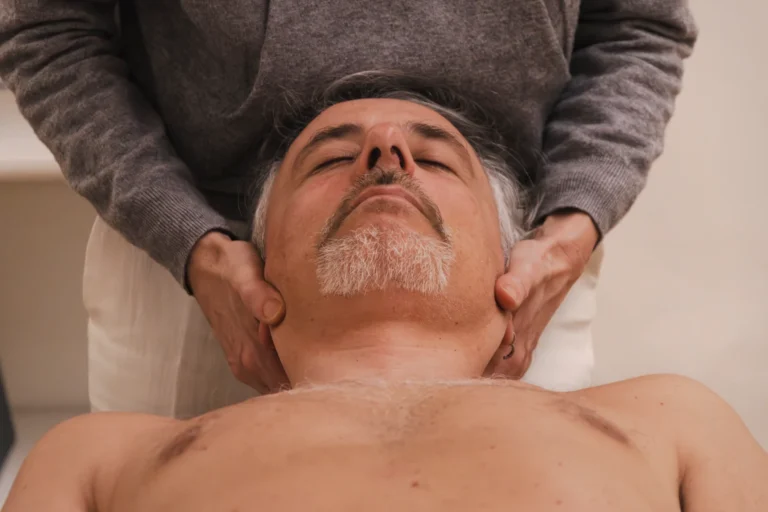
It focuses on the skull, spine, and sacrum, making it ideal for migraines, headaches, sinusitis, temporomandibular joint disorders, neuralgia, and chronic stress. It promotes deep relaxation with benefits for the entire body.

Visceral

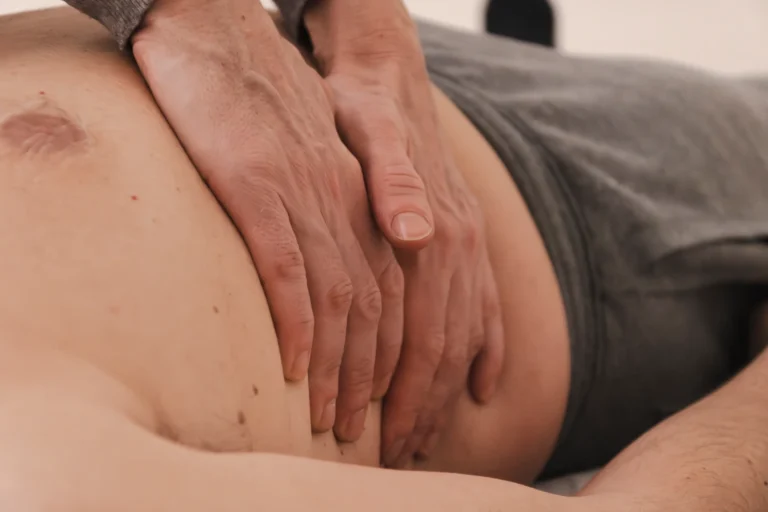
It acts on tension in the internal organs, improving digestion, breathing, and abdominal pressure. Useful for post-operative problems, swelling, abdominal pain, menstrual disorders, and incontinence.

Functional

Gentle techniques that guide tissues in their natural movement, stimulating the body’s self-regulation processes. Suitable for children, the elderly, and those with acute conditions.

Who is osteopathy suitable for?

Adults

It reduces chronic and acute pain, stress, postural disorders and post-trauma.

Seniors

Improve mobility and quality of life by rebalancing metabolic and joint deficiencies.

Sportsmen and dancers

It optimizes athletic performance, aids recovery, and prevents injuries.

Children

It identifies postural dysfunctions early and treats colic, sucking difficulties, insomnia and recurrent respiratory diseases.

Pregnant women

It supports the mobility of the pelvis and spine and accompanies the woman to a harmonious birth and a peaceful postpartum period.

Neurodegenerative diseases

It promotes the improvement of motor, cognitive and emotional functions, increasing the quality of life.

How does an osteopathic visit work?

The first visit lasts approximately 1 hour and 15 minutes and begins with a thorough anamnesis: the patient describes his or her history, any ailments, and any diagnostic tests.

Specific movements and tests are performed to identify problem areas, then the personalized manual treatment is carried out.

Subsequent sessions last 40–60 minutes, with effects varying depending on the individual. Typically, after 3–5 closely spaced sessions, the meetings are gradually spaced out until complete discharge. The treatment plan is always agreed upon with the patient, based on their individual needs and goals.

If you’d like to find out how osteopathy can help you, book an appointment or contact me for more information. Each program is personalized and designed for your complete well-being.

Book your first visit